Fourth-generation fly-by-wire
Embraer identifies its fourth-generation full digital flight control system as a key element of the E195-E2. It is part of the E2 family’s aerodynamic and control improvements.
Embraer — E195-E2 platform ↗EMBRAER / TECHNICAL EXPLORATION
Fourth-generation fly-by-wire and geared turbofan engines in the largest member of the E-Jets E2 family. A platform connecting efficiency, automation and regional operations.
Fleet project portfolio · Future development
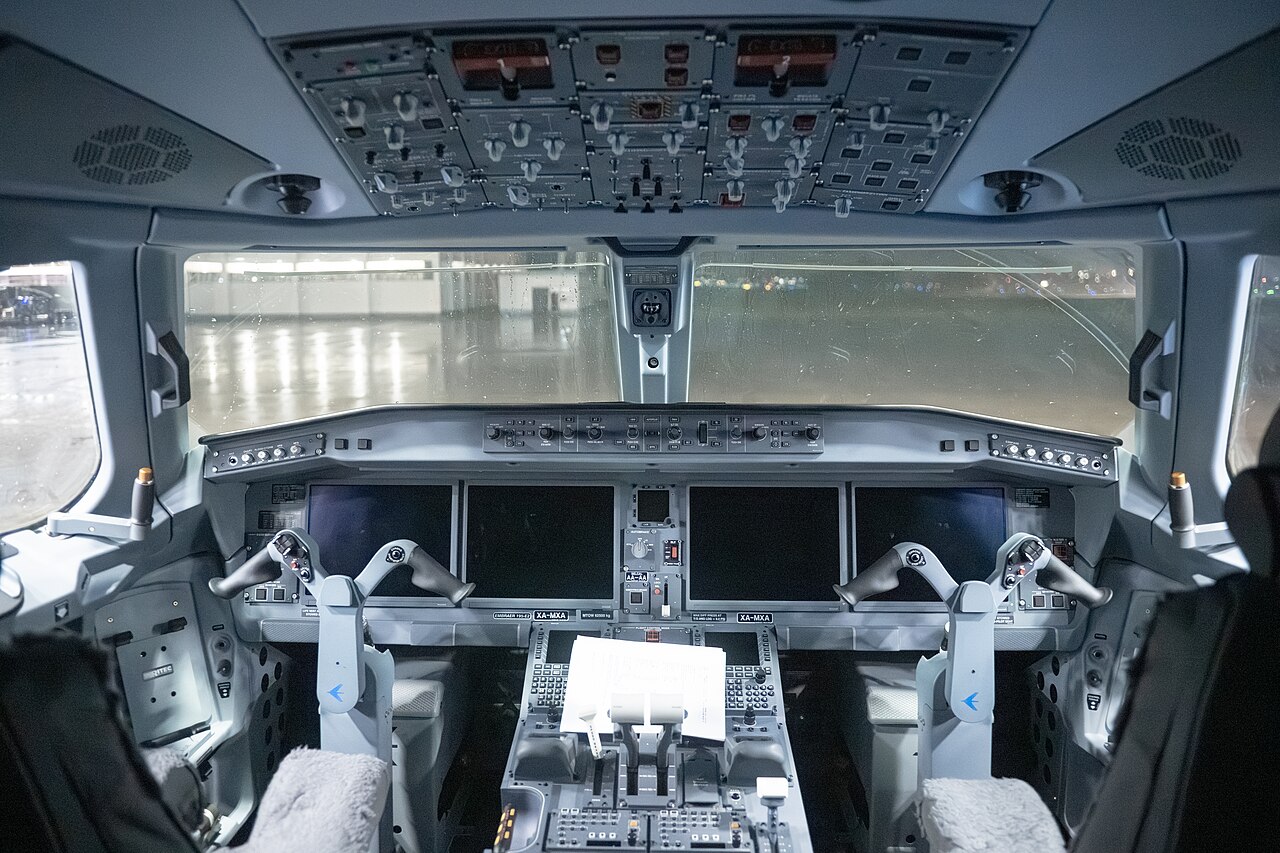
ARCHITECTURE / SYSTEMS
Embraer identifies its fourth-generation full digital flight control system as a key element of the E195-E2. It is part of the E2 family’s aerodynamic and control improvements.
Embraer — E195-E2 platform ↗The E195-E2 is powered exclusively by the Pratt & Whitney PW1900G from the GTF family. This architecture uses a reduction gearbox to drive the fan, distinguishing it from direct-drive turbofans.
Pratt & Whitney — PW1900G engine ↗Transport Canada’s operational evaluation identifies Primus EPIC in the E2 training environment. Software standards and differences between variants are part of the training device’s technical definition.
Transport Canada — E-Jets operational evaluation ↗Published range assumes full passenger load, long-range cruise, typical reserves and an alternate 100 NM away. The listed field lengths depend on weight, ISA conditions and sea level; they are not universal values.
Embraer — E195-E2 specifications ↗MANUFACTURER DATA
| Parameter | Published reference |
|---|---|
| Reference variant | E195-E2 |
| MTOW — maximum takeoff weight | 62,500 kg |
| MLW — maximum landing weight | 54,000 kg |
| Maximum payload | 16,150 kg |
| Maximum usable fuel | 13,690 kg (density 0.803 kg/L) |
| Maximum cruise speed | Mach 0.82 |
| Service ceiling | 41,000 ft |
| Range — manufacturer conditions | 3,000 NM |
| Takeoff field length — MTOW, ISA, sea level | 1,775 m |
| Landing field length — MLW, ISA, sea level | 1,290 m |
| Powerplant | Pratt & Whitney GTF PW1900G |
Embraer — E195-E2 specifications ↗
Published values depend on variant, options and calculation conditions; maximum values do not necessarily apply simultaneously. This technical overview does not replace the AFM, FCOM or approved operational documentation.
Photos illustrate aircraft or interfaces identified in the captions. They do not represent facilities or equipment already acquired by Fleet. EASA, FAA and ANAC certifications remain future project objectives.